
Talk to Your Parents about Aging
Talking with your parents about aging, health, and independence is uncomfortable. Most families know this conversation matters, yet many put it off until something forces it.
A fall.
An ambulance ride.
A hospital stay that changes everything.
By then, you are scrambling. You and your siblings disagree. Doctors need answers no one has. Your parents’ wishes are guessed instead of known.
It doesn’t have to play out that way.
Americans are living longer than ever, but many adult children have only a vague sense of what their parents’ health and daily lives actually look like. The silence creates stress for everyone involved. Parents risk losing autonomy. Children are left making decisions under pressure without context.
The good news is that a few intentional conversations now can dramatically change what happens later.
Below are three areas worth talking through before a crisis shows up.
Start With Everyday Life
In an emergency, doctors often see only a snapshot of your parents’ health. You, on the other hand, can provide the long view. Their routines, habits, and changes over time matter.
Start with everyday life. Ask what a normal week looks like. What feels easy. What feels harder than it used to.
Instead of asking direct, loaded questions, circle the topic:
Are there things they avoid now, like stairs or long walks?
Is driving at night more stressful?
Do they feel confident managing appointments, medications, or bills?
Talk About Their Home and Safety

Abilities change. Houses rarely do.
A loose rug, poor lighting, cluttered walkways, or missing handrails can quietly turn a familiar home into a risky one. A single fall can lead to hospitalization, rehab, and loss of independence.
Frame these conversations around control and longevity, not fear.
Simple changes can help parents stay in their home longer:
Clearing clutter and improving lighting
Securing rugs or removing them
Adding grab bars or handrails
Reorganizing frequently used items
It is also worth talking about future living preferences before urgency removes options.
Would they want to stay in their home no matter what?
Would downsizing ever make sense?
Would assisted living or moving closer to family be acceptable?
These conversations are easier when they are hypothetical and proactive, not rushed and emotional.
Build a Life That Supports Independence
Here is the part many families overlook.
Health is not just about medications, doctors, and emergency plans. It is about what your parents do every day.
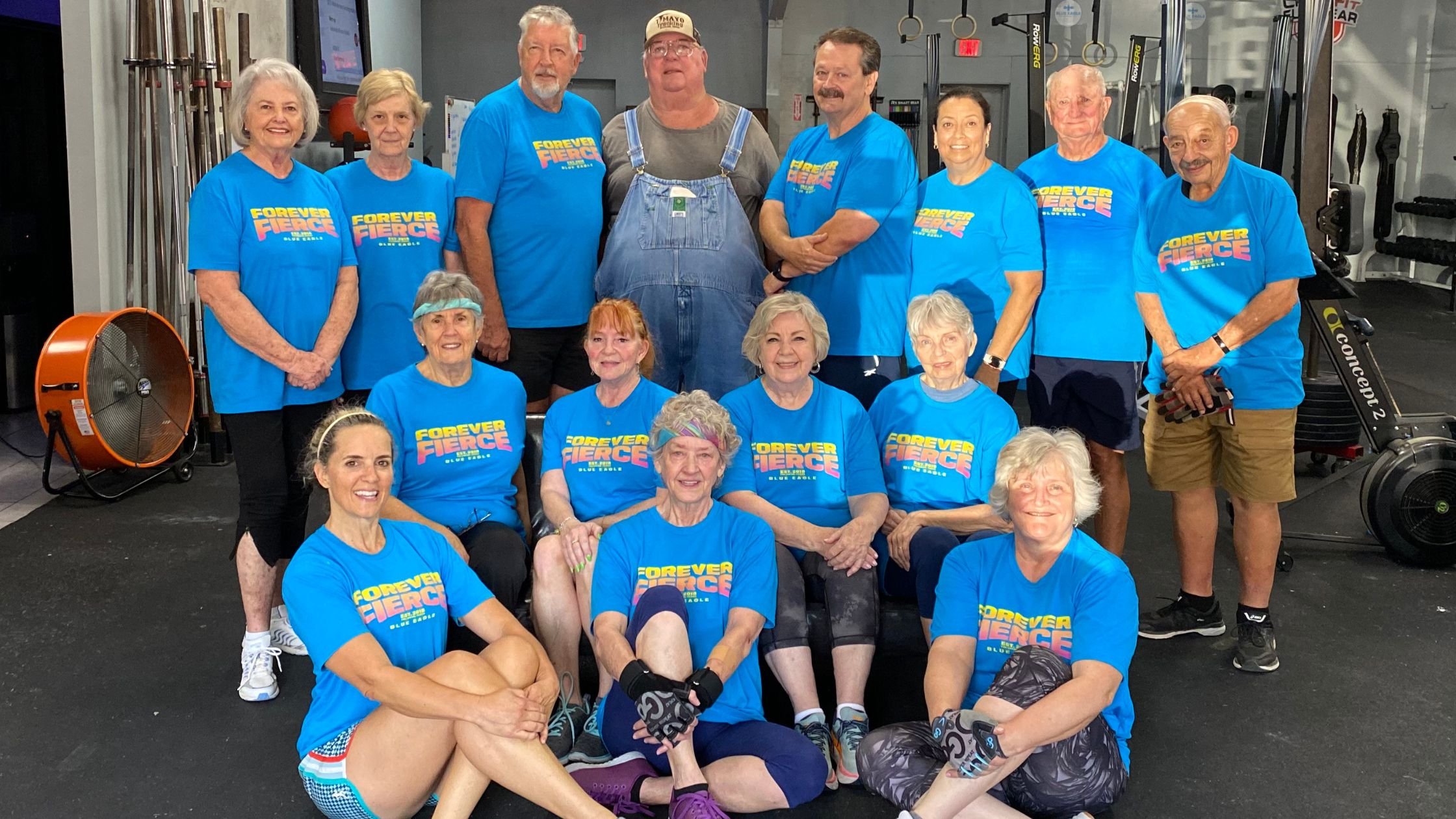
Social connection and physical activity are two of the strongest predictors of maintaining independence as we age. Yet many older adults become unintentionally isolated, spending more time at home and less time moving.
Adult children can play a powerful role here by helping parents stay engaged beyond their four walls.
That might look like:
Encouraging participation in group exercise, walking clubs, or strength and balance programs
Supporting involvement in community centers, volunteer work, or faith-based groups
Helping them find activities where they see the same people regularly and feel known
Making movement a social event, not a chore
Strength, balance, and confidence are built through consistency, not emergencies. Community creates accountability and joy. Together, they increase the odds that parents can keep doing the things they care about, on their terms, for longer.
Why These Conversations Matter

It is normal to avoid these topics. They feel heavy. They bring aging into focus in a way that is uncomfortable for everyone.
But avoiding them does not protect anyone. It delays clarity and increases stress later.
As one geriatrician put it, you are not sparing your parents something hard. You are postponing something far worse.
If you want to go deeper, these pieces are worth reading and sharing with siblings: